


Industrial control panels rely heavily on reliable switching components, yet most operators overlook silent underlying faults that lead to unexpected downtime, safety hazards, and frequent part replacements. Ordinary low-grade buttons cannot withstand high shock, frequent operation, dust intrusion, moisture corrosion, and extreme temperature fluctuations, creating invisible risks that only surface after costly equipment failures. Understanding real operational pain points and selecting professional heavy-duty control switches directly improves overall production stability and reduces long-term maintenance expenses significantly.
Choosing high-performance industrial push buttons is far more than picking a simple on-off component. Deep-seated issues such as poor contact sensitivity, loose internal wiring, short circuit under humid conditions, and wear resistance degradation rarely appear in short-term tests but plague continuous heavy-load production lines day after day. Many factories spend repeated budgets replacing fragile buttons without realizing that structural design, material grade, and sealing rating determine the actual service life far more than surface appearance.
Professional industrial button manufacturers conduct strict environmental simulation tests before mass production, covering high temperature, low temperature, vibration, oil pollution, water splashing, and long-cycle switching fatigue. Generic uncertified products skip these critical verification steps, resulting in delayed response, accidental triggering, and insulation damage inside mechanical equipment. These hidden defects easily trigger chain faults in conveyors, machinery controls, power distribution cabinets, and automated processing systems.
Most common user demands focus on simple waterproofing and basic switching functions, yet practical on-site environments bring far more complex challenges. Workshop dust can block button gaps and cause poor conduction; mechanical vibration causes internal component displacement; corrosive lubricants and chemical gas erode metal contacts rapidly; frequent high-frequency pressing accelerates spring fatigue failure. All these unnoticeable problems shorten service life and disrupt scheduled production workflows continuously.
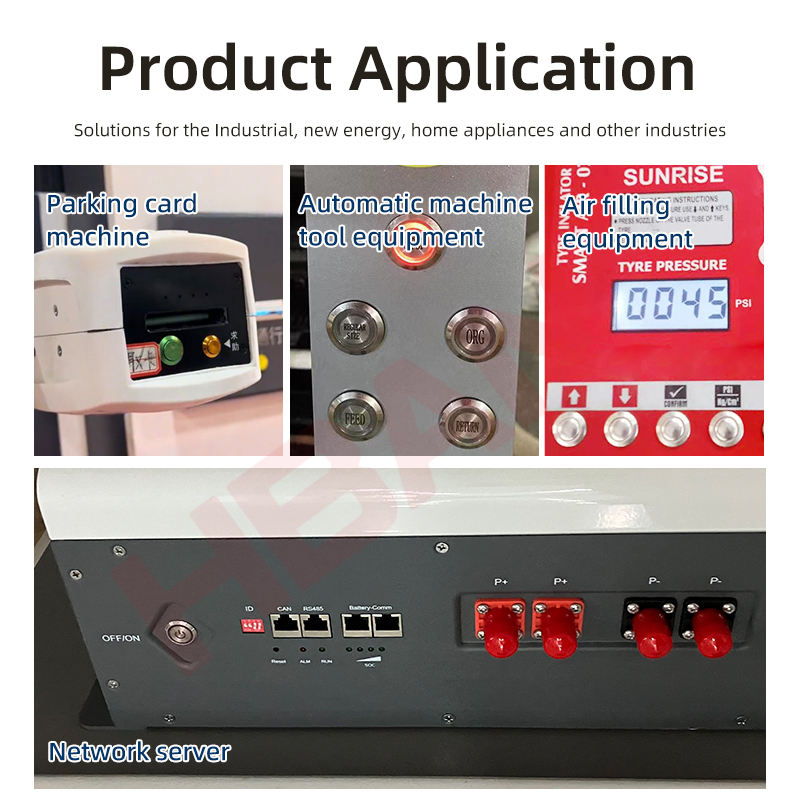
Long unscheduled shutdowns caused by faulty push buttons bring indirect losses that greatly exceed the price of the component itself. Production halts, equipment repair labor, delayed order delivery, and potential safety accidents accumulate huge invisible costs year by year. Upgrading to structurally reinforced, fully sealed heavy-duty buttons eliminates repeated troubleshooting and stabilizes uninterrupted operation across harsh industrial working conditions.
Core Performance Comparison Of Ordinary Buttons vs Heavy-Duty Industrial Push Buttons
| Performance Indicator | Ordinary Commercial Buttons | Premium Heavy-Duty Industrial Buttons | Actual On-Site Impact |
|---|---|---|---|
| Ingress Protection Rating | IP50 or lower | IP67 full sealing | Resists dust, water splash, oil mist and long-term moisture intrusion |
| Mechanical Service Life | Less than 50,000 operations | Over 500,000 cycles | Reduces replacement frequency and panel disassembly maintenance |
| Working Temperature Range | 0℃~60℃ | -40℃~85℃ | Stable operation in cold outdoor workshops and high-temperature boiler areas |
| Shock & Vibration Resistance | Weak, easy mis-triggering | High anti-vibration structure | No accidental start or stop on vibrating mechanical equipment |
| Contact Material | Ordinary copper sheet | High-precision silver alloy contact | Low resistance, no heating, no poor contact after long use |
| Shell Material | Plastic fragile structure | High-strength flame-retardant engineering plastic | Anti-impact, anti-aging, anti-corrosion and flame safe |
Deep operational problems hidden behind frequent button failures include circuit aging, abnormal load current, and mismatched control voltage specifications. Many users only replace broken buttons repeatedly instead of matching suitable current grade, installation size, and circuit type. Unmatched parameter configuration accelerates contact burning and insulation aging, forming a vicious cycle of frequent damage and unstable equipment operation.
Different industrial scenarios require targeted button functions, including momentary reset, self-locking, indicator light display, emergency stop protection, and multi-pole contact combination. Blindly universal button selection cannot adapt to PLC control systems, high-voltage power circuits, low-voltage signal circuits, and emergency safety interlock loops. Accurate function matching fundamentally avoids misoperation and safety loop failures.
Long-term field usage experience proves that installation standardization also affects button stability greatly. Loose wiring terminals, insufficient pressing depth, unreasonable panel hole size, and exposed exposed circuits all shorten service life. Professional industrial buttons adopt standardized thread fixing and anti-loosening terminal design, adapting to standardized cabinet installation and reducing artificial installation errors effectively.
Safety compliance remains a neglected key demand for industrial control accessories. Qualified heavy-duty push buttons pass flame retardant certification, insulation safety testing, and industrial electromagnetic compatibility testing. Non-compliant products easily produce electromagnetic interference, affecting precision instrument signals and violating factory safety production inspection standards. Stable qualified components ensure smooth annual safety acceptance and continuous safe production.
In summary, high-quality industrial push buttons solve both surface usage needs and deep hidden faults in industrial electrical systems. Reasonable component selection, reliable manufacturer support, and excellent structural durability jointly minimize downtime, lower maintenance costs, and protect overall equipment operation safety. Durable, high-sealing, long-life control buttons become essential basic accessories for stable modern automated industrial production.